Still Searching For An
AI Lottery Number Generator?
Most online number generators simply create random combinations. This free AI-based report shows how public draw history, number frequency, and past patterns can be studied before choosing your next numbers.
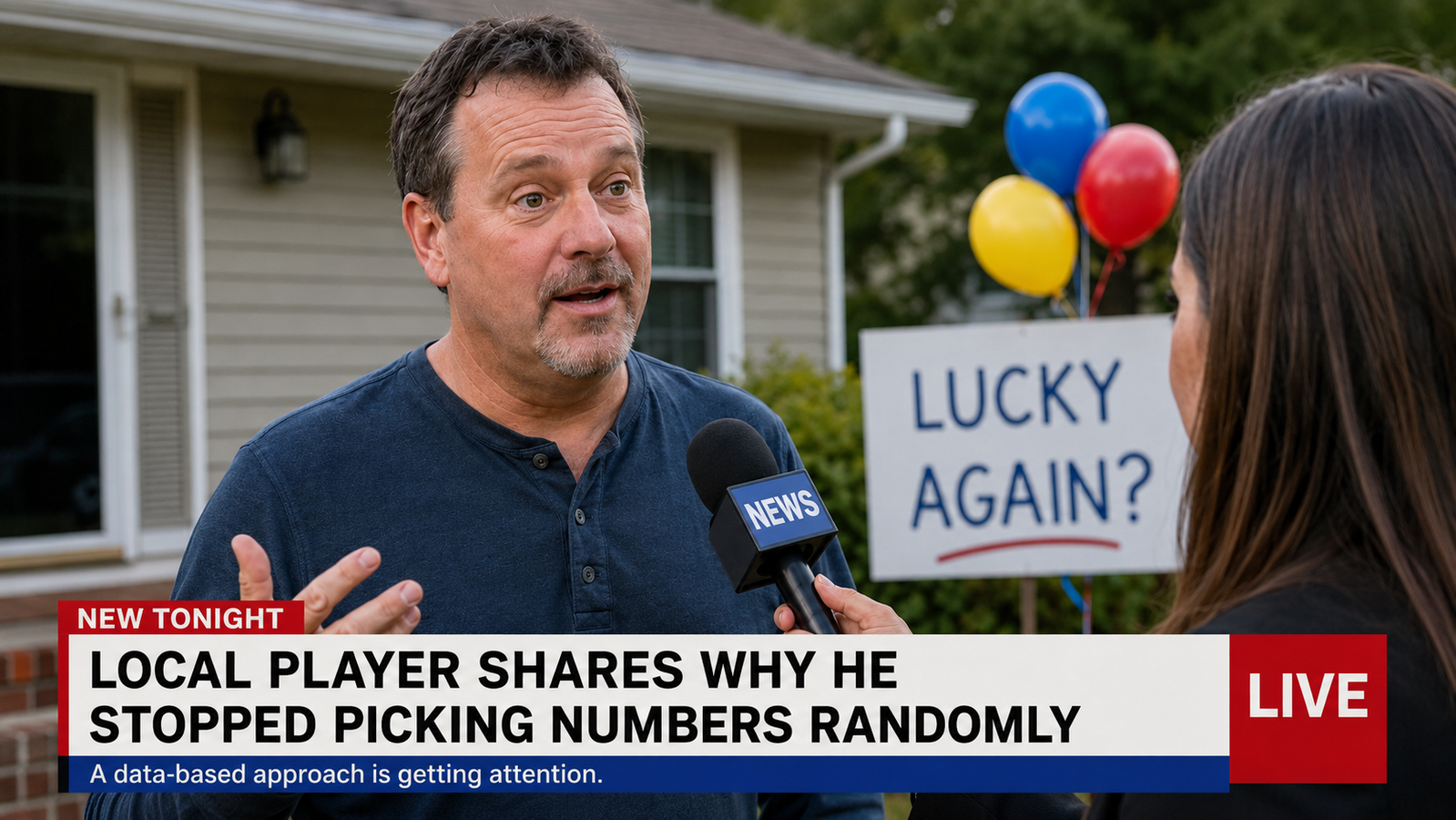
Basic generators usually give you random picks. The free report explains a more structured approach: using AI-style analysis to compare public draw history before choosing combinations.
- Why quick picks and basic generators may still be random
- How public draw history can be studied with AI-based analysis
- Why frequency, repetition, and past number behavior may matter
- What some players now check before choosing combinations
Lottery games involve risk, and no method can guarantee winnings. This presentation is for informational purposes only and is not affiliated with any state lottery or government agency.
Most Number Generators Still
Pick Randomly
Every week, people use birthdays, quick picks, lucky numbers, or basic online generators to choose their combinations.
The problem is simple: most of these options do not study public draw history. They do not compare number frequency. They do not look for repetition. They simply produce numbers and leave the rest to chance.
That is why more players searching for AI lottery tools are starting to ask a better question:
If lottery results are publicly recorded over time, can AI-based analysis compare that history in ways a basic random generator never could?
That is the idea behind the free report: not hacking, not guaranteed wins, but a more thoughtful way to look at number selection before playing.
The AI Research Angle Behind
Smarter Number Picks
The presentation follows the idea behind AI-based number analysis: organizing large sets of public lottery draw data so patterns can be compared more clearly.
The central idea is pattern recognition: using software to compare number frequency, repetition, timing, and probability signals that most players would never check manually.
Instead of choosing numbers emotionally — or relying on a basic random generator — the report explores what happens when a data model studies historical draw behavior before a player makes a pick.
Public lottery draw history becomes the starting point.
This is not about hacking, cheating, or controlling any draw. It is about using public historical data to better understand number frequency, repetition, and probability patterns.
No method can guarantee a result. But for players who are tired of picking blindly, the report raises a practical question: could data help you think differently before choosing your next combination?
That is why many everyday players are now paying attention — not because the report promises certainty, but because it offers a structured way to think beyond random guessing.
The explanation is simple enough for ordinary players to understand.
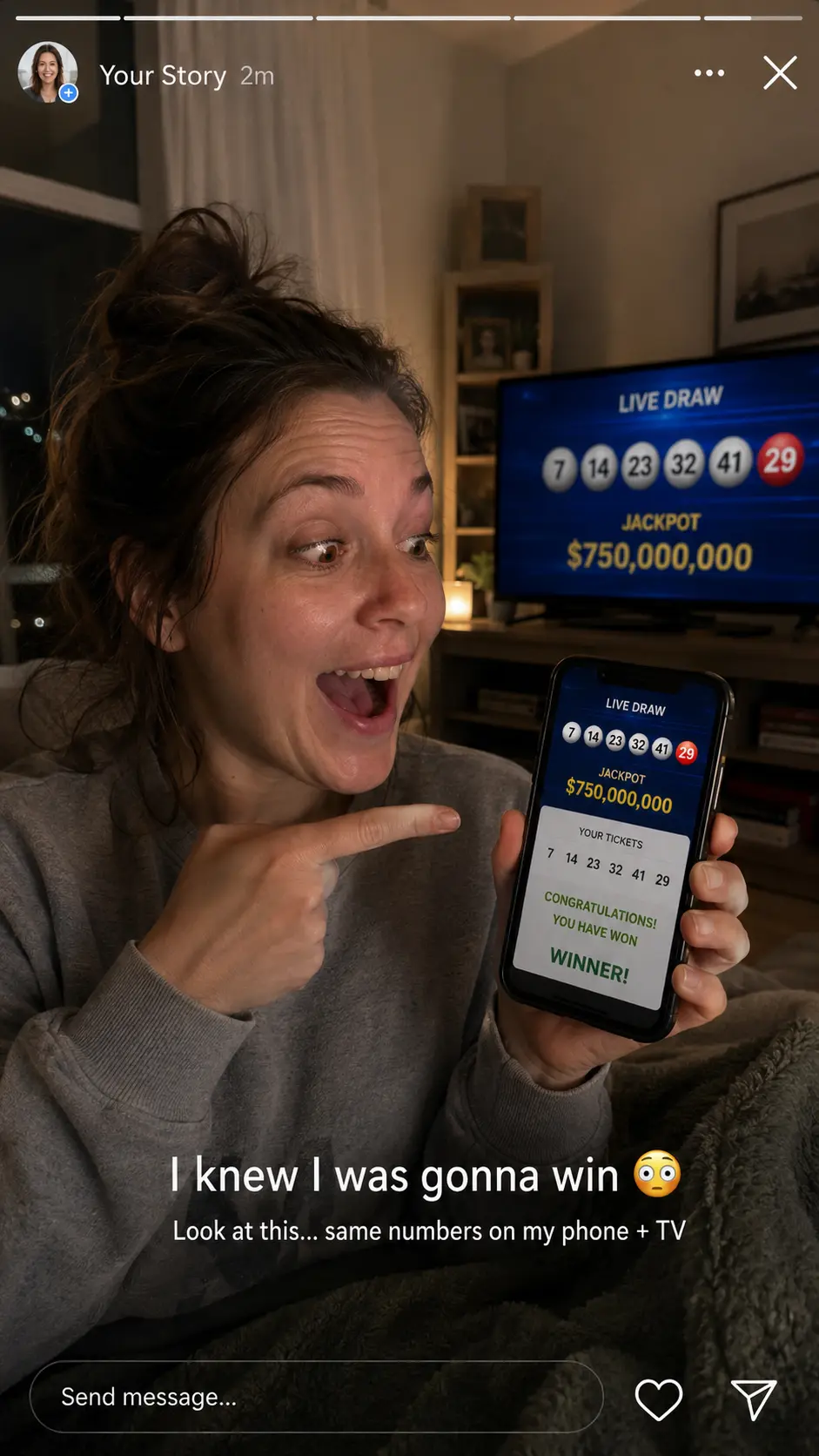
Across online discussions, more players are searching for AI lottery number tools, number pickers, and data-based ways to think before choosing combinations. Teachers, truck drivers, retirees, and everyday players are all looking for a smarter starting point than random guessing.
I used to rely on quick picks and random generators. After watching the explanation, I finally understood why some players look at draw history and patterns first.
I still understand there are no guarantees. But using a data-based approach before choosing numbers made more sense to me than trusting a random pick.
Why This Story Is Creating So Much Debate
For decades, many players have treated number selection as pure luck: quick picks, birthdays, favorite numbers, or basic online generators. This presentation looks at number selection from a data perspective.
If draw results are publicly recorded and that historical data is large enough, AI-based analysis can compare it in ways no player could manually. That does not mean any draw can be controlled, and it does not guarantee results. But it may help players understand number behavior before they make a choice.
What The Free Presentation Reveals
You don't need coding skills, advanced math, or hours of research. The presentation explains everything in plain English, step by step:
- Why most basic lottery number generators still rely on random output
- How AI-based analysis reviews public draw history and number frequency
- Why pattern recognition may reveal signals that are hard to compare manually
- How ordinary players can understand the concept without technical knowledge
- How probability insights may help players think more carefully before choosing combinations
This is not about guaranteed winnings. It is not about superstition. The presentation is built around public data, probability concepts, and a more structured way to think before choosing numbers.
Before You Trust Another
Random Number Pick
Watch the full explanation at no cost and decide for yourself before choosing your next combination.
Watch The Free AI Number Report No credit card · No purchase requiredEducational presentation for U.S. viewers. For informational purposes only.